Blog

Armenia-focused playbook for documents, queues, working hours, and weather windows.
Winter is when border transit stops being a schedule and becomes a probability. For cargo moving to/from Armenia, time is typically lost at three pressure points: (1) pre-border paperwork, (2) border queue + processing, and (3) post-border release and onward transit, where weather can compress your “safe driving window” and turn minor delays into overnight standstills.
Armenia’s two most operationally important directions in winter are:
- North via Georgia (Bagratashen–Sadakhlo, Bavra–Ninotsminda, etc.), often connected to onward traffic that depends on the Georgian Military Road / Upper Lars corridor; closures and restrictions there are frequently reported during adverse weather.
- South via Iran (Agarak–Norduz), where thorough controls and longer procedures are commonly noted by cross-border operators, especially when volumes spike.
Below is a practical breakdown of where time disappears—and the recovery actions that reliably give it back.
Where time is lost (and why it gets worse in winter)
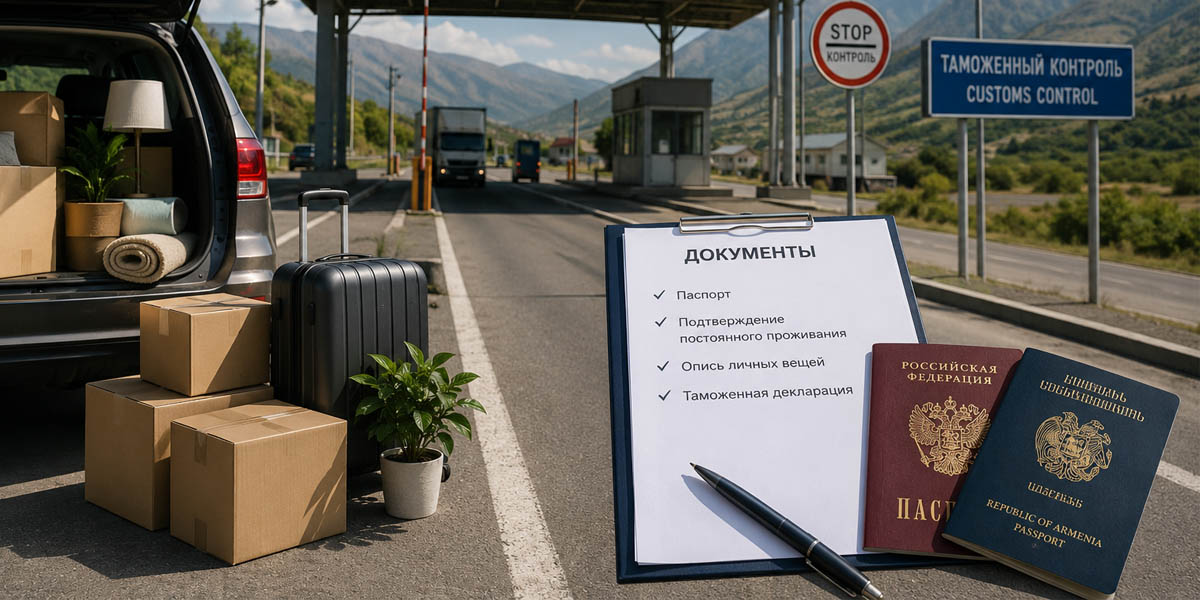
Document friction: small errors that trigger big holds
In peak winter flow, documentation issues stop being “fixable on the way” and become inspection triggers. Typical culprits:
- HS code misclassification or ambiguous product descriptions
- missing supporting docs (invoices, packing lists, certificates)
- mismatch between shipping documents and physical cargo (weights, piece counts, marks)
- unclear Incoterms / delivery point language leading to disputes at handover
Why winter amplifies it: when queues build, border staff are less tolerant of “we’ll update later,” and carriers become less willing to wait.
How to win back time
- Build a pre-departure document QA gate (15 minutes per shipment saves hours later):
- HS code + description consistency
- weight/gross/net consistency
- consignee/consignor names match exactly across docs
- seals/marks recorded and mirrored on packing list
- Use Armenia’s electronic declaration channels where applicable to reduce paper-driven bottlenecks. Armenia’s e-government guidance explicitly notes that import/export declarations are submitted via the tax authority’s electronic reporting platform.
- For repeat shipments, standardize a “border-ready” template pack (invoice wording, packing list structure, commodity descriptions).
Queues: the border becomes a parking lot
Queues are the simplest delay—and the hardest to “fix” once you’re in them. Congestion is regularly reported on the Armenia–Georgia axis (e.g., Bagratashen–Sadakhlo), and the problem intensifies when onward corridors are restricted.
Why winter amplifies it: road capacity drops (ice/snow), accident risk increases, and closures upstream can instantly convert flow into backlog. Upper Lars restrictions/closures due to weather are widely reported and can cascade into Armenia-related transit chains.
How to win back time
- Run a queue-aware dispatch model:
- avoid sending trucks to arrive at the border at the same time as everyone else
- stagger departures so drivers hit processing during higher-throughput periods
- Establish live queue monitoring (your broker + carrier + driver check-ins).
- Maintain route optionality: even if your preferred crossing is “usually faster,” winter changes the rules by the hour. (Your goal isn’t the fastest route on paper; it’s the route with the highest probability of uninterrupted movement.)
Working hours and “handoff gaps”
Even where border crossings operate continuously, winter often exposes a softer issue: mismatched operational rhythms—staffing levels, shift patterns, and the availability of specific services (inspections, certain authorizations, specialized checks). The result: trucks arrive, but clearance momentum stalls and the shipment rolls into overnight waiting.
How to win back time
- Align dispatch to a “clearance-first” arrival window, not merely to “driver convenience.”
- Use a 24/7-capable brokerage setup for exception handling when queues shift suddenly (the ability to fix a discrepancy at 22:00 is often the difference between 2 hours and 14 hours).
- Pre-agree an exception escalation tree: who approves re-routing, who can issue corrected docs, who talks to consignee.
Weather windows: when the road decides your schedule
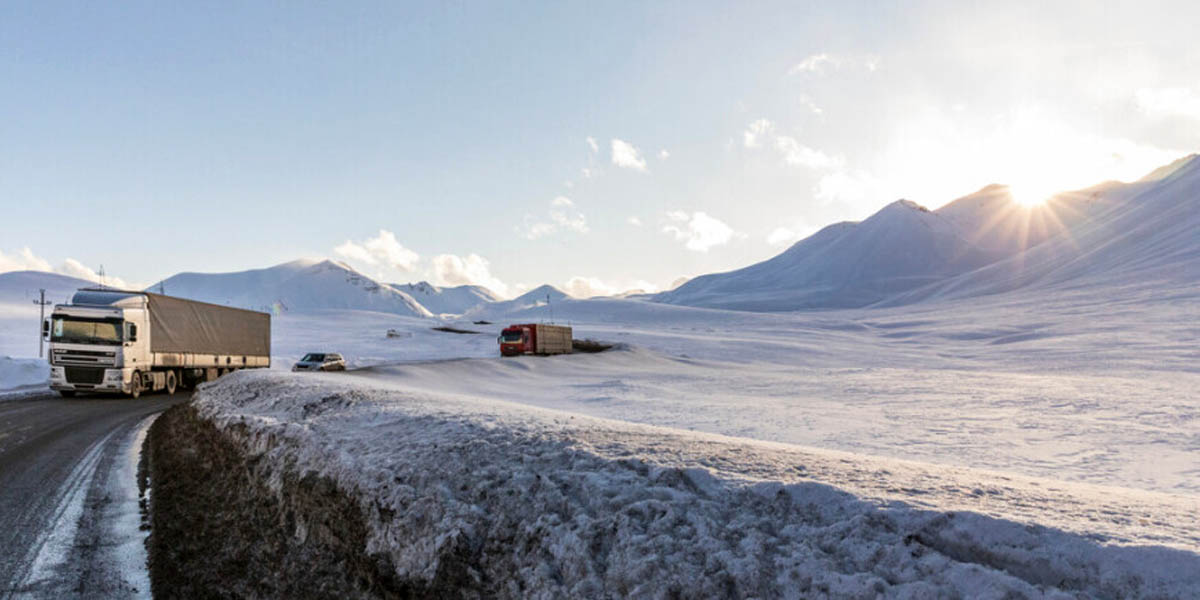
Winter weather doesn’t just slow you down; it compresses safe transit windows (snow, fog, icing). This is especially relevant for mountain routes feeding critical corridors. Reports of closures/restrictions on the Georgian Military Road due to severe weather are a recurring pattern.
How to win back time
- Plan with official/local forecasting tools, not generic “weather apps.” Armenia has national weather resources (e.g., ArmMeteo), and the environmental authorities reference official monitoring/forecasting channels.
- Build a weather-triggered cut-off rule (example):
- if forecast indicates closure probability above X% - dispatch earlier / hold at buffer yard / switch mode
- For sensitive cargo (perishables, pharma), treat winter as a risk-managed project: buffer stock near Yerevan + prioritized release plans.