Blog
How Changes in Tariffs and Transparency Requirements Affect Logistics Costs in Armenia (2024–2026)
Two forces are shaping logistics pricing in Armenia:
- Tariffs and input costs (especially fuel) are pushing prices upward and increasing volatility on certain lanes.
- Transparency and digitalization rules are reducing hidden delays and bureaucratic friction, making some shipments more predictable—and in certain cases cheaper in total cost.
For carriers and shippers, this creates a new reality: logistics costs depend less on the “base freight rate” and more on how well a company manages fuel price swings, maintains clean documentation, and meets compliance requirements.
Below is what is changing and how it affects different types of logistics operators.
Tariff changes: where the cost pressure comes from
Fuel price volatility is now the primary cost driver
When diesel prices rise, trucking rates typically rise as well—especially on longer routes where fuel makes up a large share of total cost (for example, Armenia ↔ Georgia and Armenia ↔ Iran).
With diesel increasing from 450 to 520 AMD per liter in early 2026, it is reasonable to expect noticeable upward pressure on long-haul trucking rates—often in the range of +10-15%, depending on equipment type, backhaul availability, and route constraints.
What this means in practice
- Quote validity periods may become shorter.
- More carriers will introduce fuel surcharges or reprice mid-month.
- Budgeting based on “last season’s rates” becomes risky.
Tariff relief can lower landed cost - only for specific goods
Zero-duty tariff quotas on selected Iranian goods, if the product qualifies and volumes fall within the quota, can reduce landed cost for importers and Armenian distributors. However, these benefits are not universal. They mainly help businesses importing the eligible categories—and only when classification and documentation are correct.
Key point: tariff advantages exist only if your HS/TN VED classification and supporting documents stand up to scrutiny.
HS code changes affect e-commerce and small consignments
HS code changes (and stricter classification enforcement) typically hit small shipments first - especially parcels containing electronics, batteries, accessories, and mixed-category goods. Even if the nominal duty rate does not change, the administrative impact often does: more questions, more holds, more proof required, and possible VAT effects if declared value thresholds are exceeded.
Bottom line: if you ship high volumes of small consignments, classification discipline is now part of cost control.
Transparency rules: fewer “hidden” losses, higher compliance overhead
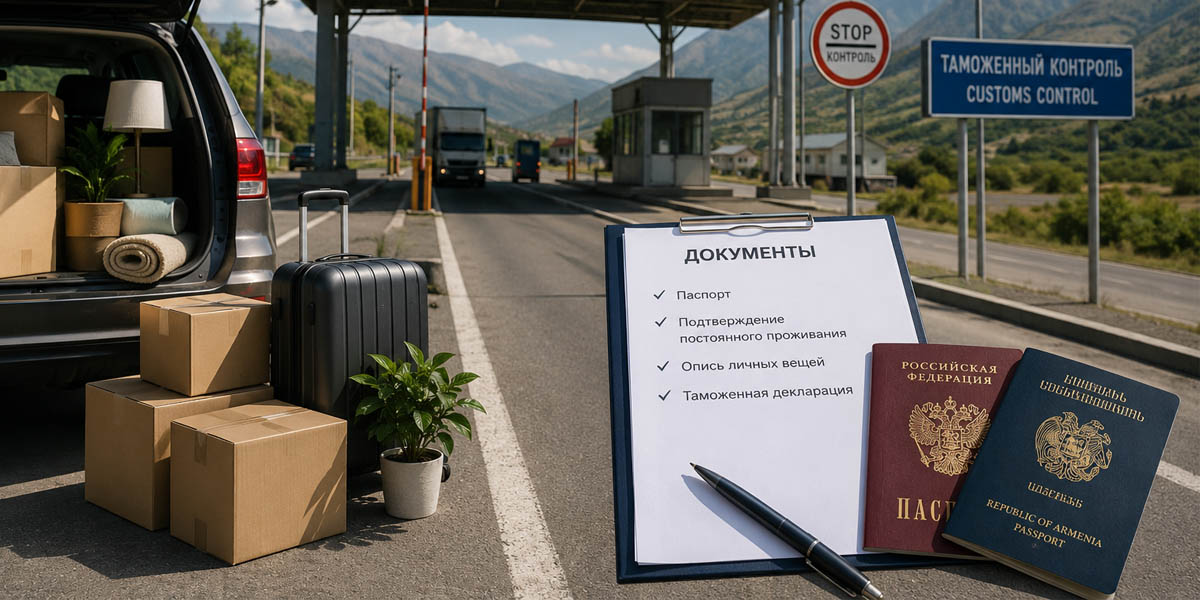
Accounting documentation and TN VED codes in payment documents
Mandatory documentation requirements and the inclusion of TN VED/HS codes in financial and payment documents are pushing businesses toward digital recordkeeping. This reduces fraud and “grey” paperwork, but it can create upfront compliance costs, including:
- software and system setup,
- additional accounting workload,
- stronger internal controls over product master data (names, codes, origin, value).
Digital tools for transport and transit reduce time losses
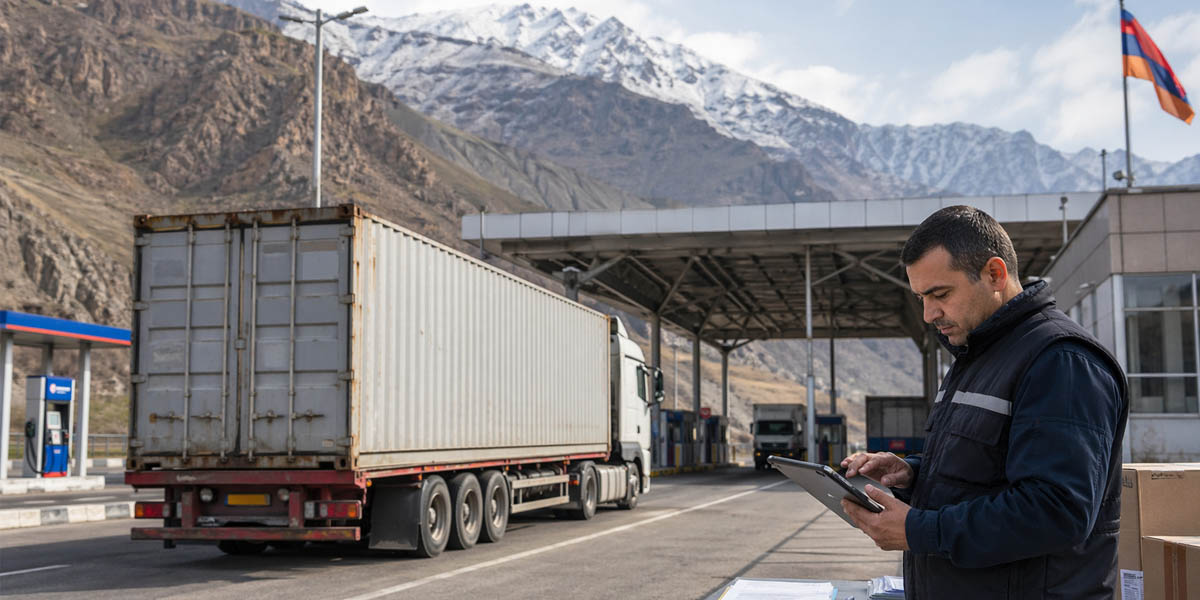
Electronic CMR and unified transit declarations reduce paper processes and help address one of the most painful hidden costs in logistics: unplanned time losses.
If digital documentation cuts border/handling cycles by even 1–2 days, it can reduce:
- demurrage and storage risk,
- missed delivery windows,
- emergency rebooking costs,
- customer service escalations.
For time-sensitive cargo, lowering delay risk often matters more than saving a few percent on freight.
Conclusion
In 2024-2026, Armenia’s logistics cost structure is moving toward a model where:
- volatility is driven mainly by fuel prices and tariff dynamics,
- transparency and digitalization allow well-organized companies to reduce hidden losses.
The winners will not necessarily be the businesses with the cheapest carriers. They will be the companies that have:
- up-to-date data,
- structured documentation,
- reliable routing and contingency plans,
- and the ability to adapt quickly when tariffs or rules change.